As various countries reassess their immigration policies amid global economic and geopolitical changes, Romania finds itself at a crossroads. Understanding these global shifts and their implications is essential for grasping potential outcomes on the nation’s social and economic landscape.
Global Trends in Immigration Policy
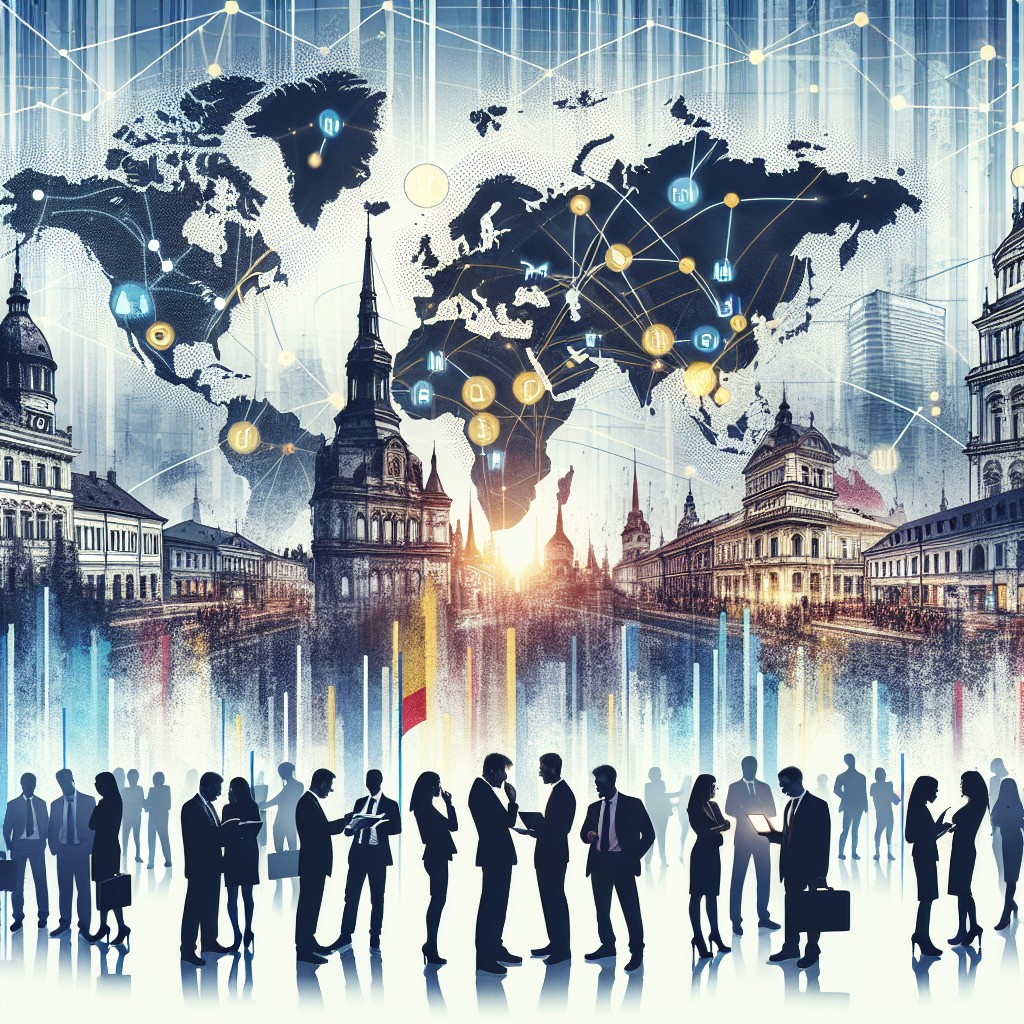
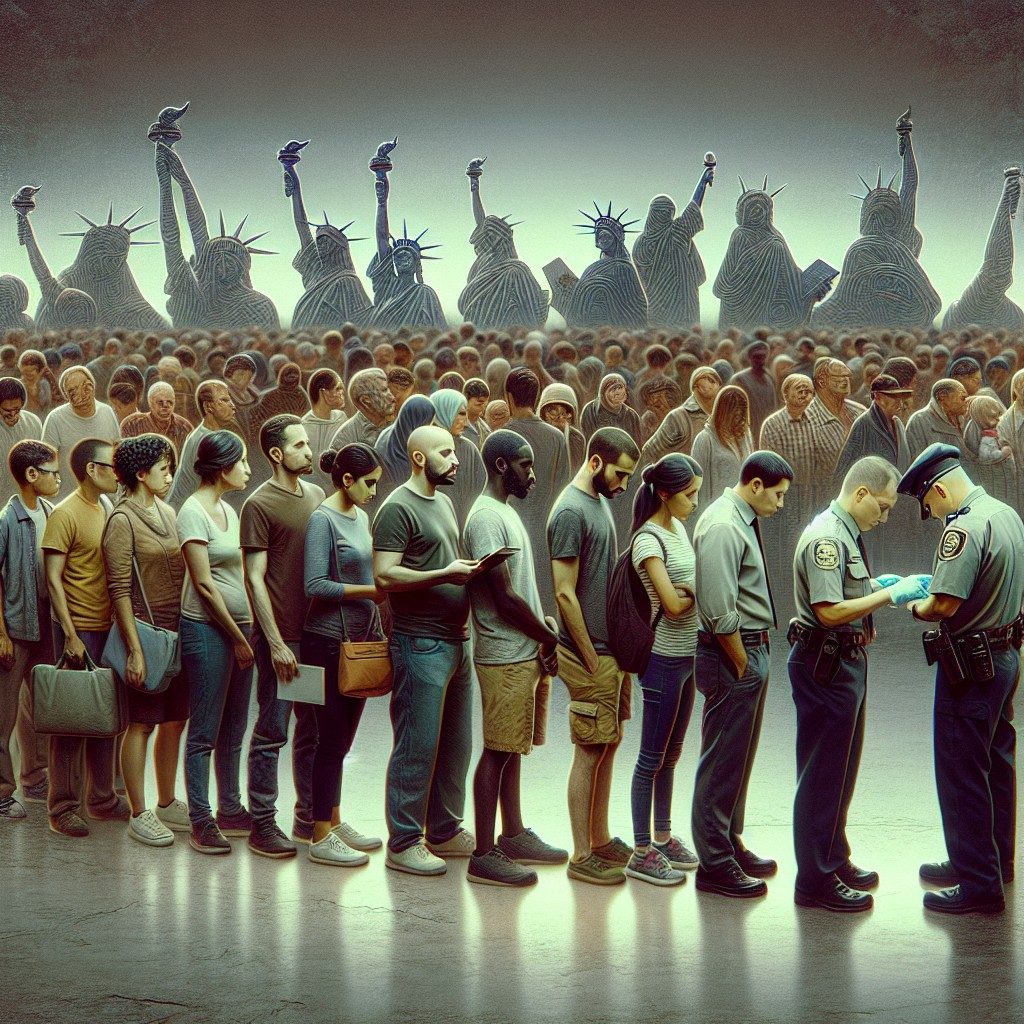
In recent years, immigration policies worldwide have been influenced by several factors including economic instability, conflict-induced displacement, and evolving labor market demands. Countries are increasingly adopting measures that prioritize skilled immigration while also attempting to balance humanitarian obligations. For instance, many developed nations are refining visa regimes to attract specific talents, while tightening enforcement on irregular migration. These shifts reflect a broader trend towards controlled and strategic immigration frameworks designed to bolster domestic economies and address demographic challenges.
The European Context and Romania’s Position
Within the European Union, immigration remains a pivotal issue, shaped by both policy harmonization efforts and individual member states’ priorities. Romania, as an EU member, is affected by both the overarching European regulations and its national interests. The country has historically experienced emigration outflows, but recent years have seen it become a destination for immigrants, particularly from neighboring non-EU countries. EU-wide policies on asylum, border control, and labor mobility directly impact Romania’s immigration landscape, necessitating adaptive national strategies.
Economic Implications of Immigration for Romania
Immigration can play a significant role in Romania’s economic development. As the country faces demographic decline and labor shortages in key sectors like healthcare, agriculture, and technology, the influx of immigrants offers potential relief. Economic immigration may help fill critical gaps, contribute to tax revenues, and support the pension system. However, the degree to which Romania leverages immigration for economic benefit depends on effective integration policies and alignment with labor market needs.
Social and Political Dimensions of Immigration in Romania
Social perceptions of immigration in Romania are evolving but remain cautious. Public discourse often emphasizes the need for integration frameworks that promote social cohesion and prevent discrimination. Political debates focus on balancing openness with security concerns, particularly in light of fluctuating migration flows. The government’s approach to immigration includes legislative updates and cooperation with international agencies to align with best practices. These initiatives aim to foster an environment where immigration contributes positively to society.
International Cooperation and Romania’s Role
Romania participates in various international efforts to manage immigration, cooperating with organizations such as the United Nations and the European Union. This involvement encompasses humanitarian assistance, border security collaboration, and policy exchange. Access to resources and expertise from entities like the UN Refugee Agency supports Romania’s ability to address complex immigration challenges effectively. Furthermore, adapting to international standards influences Romania’s national policies and capacity to respond to global migration dynamics.
Understanding the nuances of immigration policies worldwide and their implications provides valuable insight into Romania’s potential pathways. As global and regional frameworks continue to evolve, Romania’s response will shape how immigration influences its future demographic and economic fabric.
Conclusion
The ongoing global shifts in immigration policy present both challenges and opportunities for Romania. Adapting to these changes requires coherent strategies that integrate economic needs, social cohesion, and international cooperation. By aligning national approaches with global developments, Romania can position itself to benefit from immigration flows while addressing associated concerns pragmatically. The country’s ability to navigate these complexities will be critical for its sustained growth and societal stability in the years ahead.
Frequently Asked Questions about immigration
What is the current impact of immigration on Romania’s economy?
Immigration helps address labor shortages in sectors like healthcare and agriculture in Romania, contributing to economic stability and growth through increased workforce participation.
How do global immigration policies affect Romania?
Global immigration policies shape Romania’s national strategies by influencing EU regulations and cooperation frameworks that directly impact migration flows and border management.
What are the main challenges Romania faces with immigration?
Challenges include ensuring effective integration, managing public perception, and balancing security concerns with humanitarian responsibilities within changing migration dynamics.
How is Romania cooperating internationally on immigration issues?
Romania collaborates with organizations such as the United Nations and EU institutions to align its immigration policies with international standards and benefit from shared resources.
Why is immigration a significant topic for Romania now?
Due to demographic decline and labor market needs, immigration has become increasingly important for Romania to sustain economic growth and support its social systems.